
About Home Tale and Laya
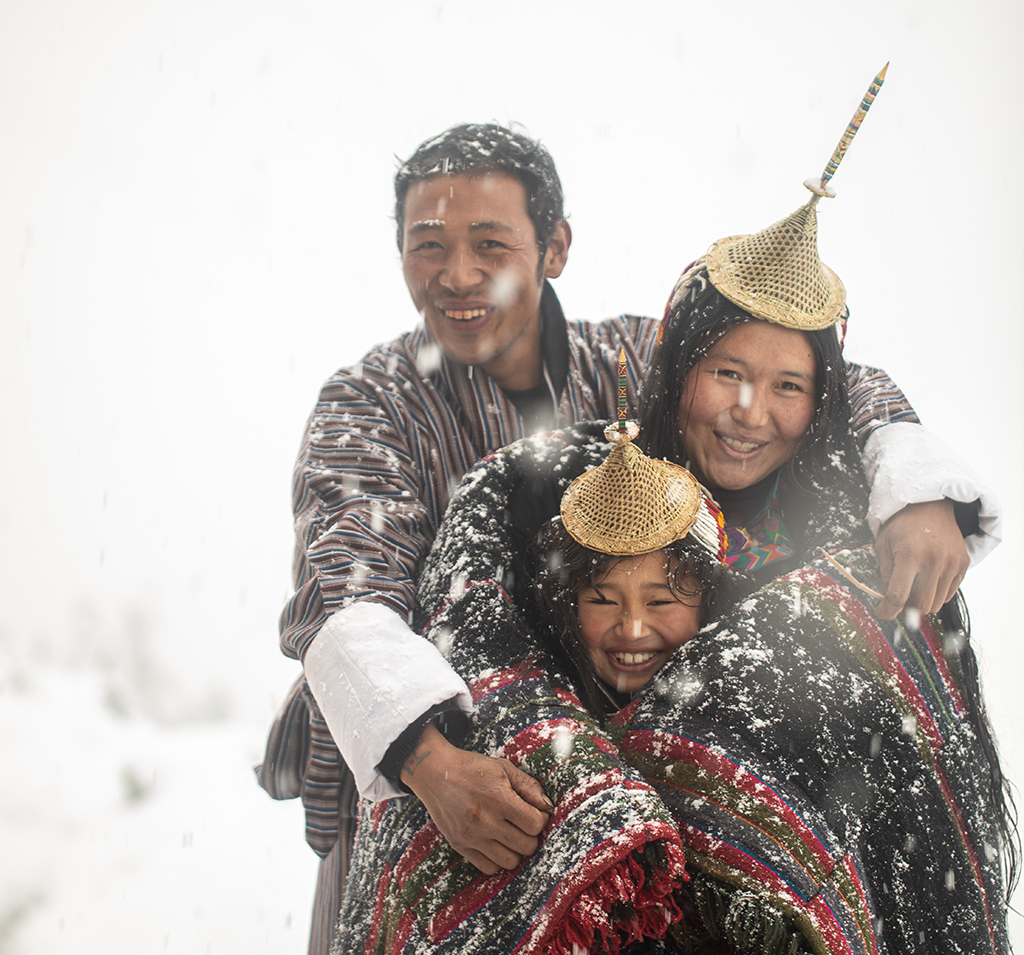
The Story Behind Hometale Laya
Pasang Choki is one of the very few Layaps who quietly carries a struggle rarely spoken about in the highlands — she suffers from altitude sickness. In a land where life begins at 3,800 meters and above, this is no small burden. She believes it was passed down from her mother’s side — a fragile inheritance in a place that demands immense physical strength.
Each year, when the Cordyceps season begins and villagers climb beyond the tree line to gather what sustains their yearly income, fear settles in her heart. The mountains that raised her also test her. The same happens during incense collection in the higher slopes — duties of survival she cannot easily refuse.
For years, when trekkers visited Laya, she would gently mention her condition — almost as a passing concern, never as a complaint. Yet there was never a real solution. Life in the highlands simply continued as it always had.

Featured in TIME’s World’s Greatest Places 2026.
We are truly humbled and honored to share that Home Tale Laya has been featured in TIME’s World’s Greatest Places 2026. This recognition means a great deal to us—not only as a small, heartfelt initiative in the highlands of Laya, but also as a reflection of Bhutan’s unique and enduring spirit.
You may also view the full feature here:
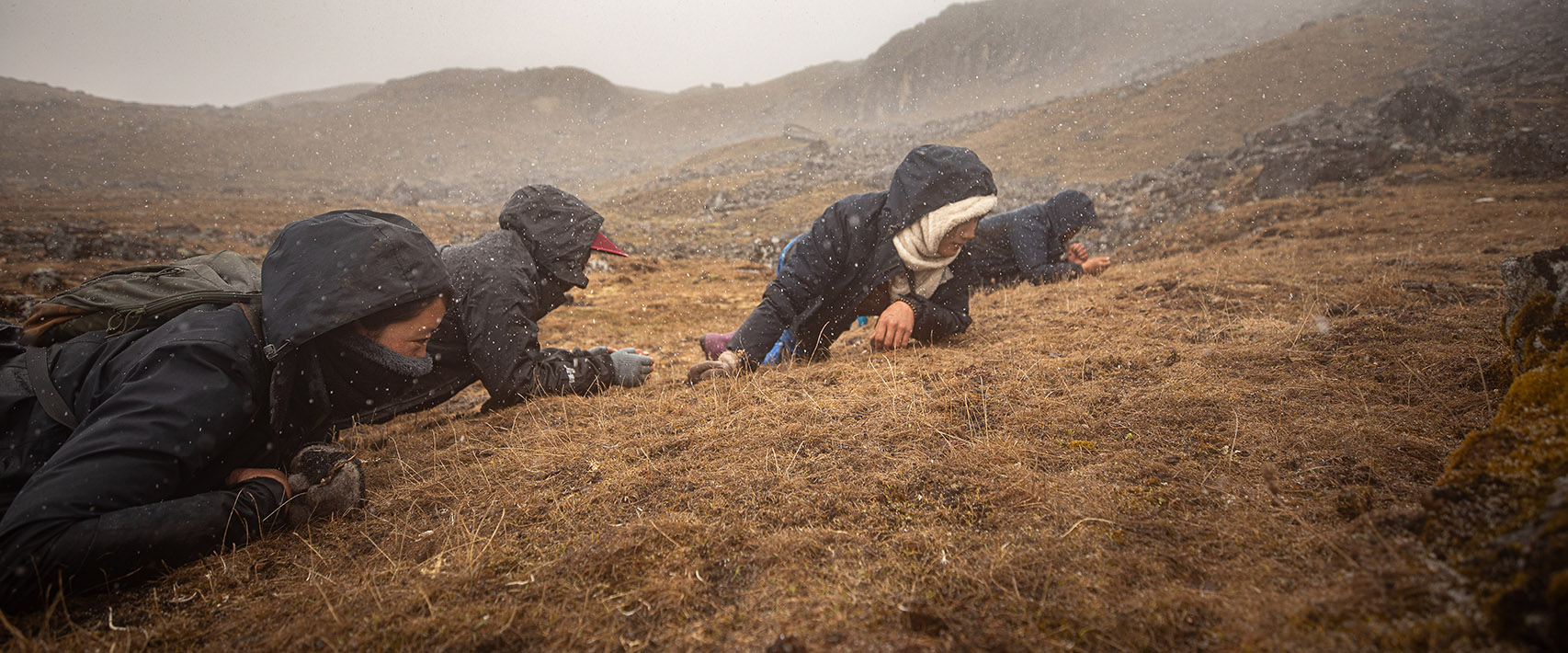
Until friendship intervened.
Hometale Laya was never built as a business first. It was built as a response to friendship, to hardship, and to dignity. It was an expensive contribution in many ways, but its value was never measured in money. It was about offering trekkers a warm and meaningful stay, while also creating a safer space for Pasang Choki — a place where she would not constantly fear the mountains she calls home.
At the same time, her husband Pasang Tenzin faced his own struggles. With limited opportunities and erratic seasonal earnings, sustaining a family in Laya was never guaranteed. Hometale Laya became more than infrastructure of stone and wood — it became stability. It became shared responsibility. It became hope.
Today, Hometale Laya stands not as luxury, nor as spectacle but as a quiet testament to what true friendship can build. A home shaped by compassion. A shelter shaped by purpose. A story shaped by the mountains themselves.
Getting to Home Tale Laya
Step 1
Step 1: Thimphu to Gasa (via Punakha)
Your journey begins with a scenic drive from Thimphu to Gasa, passing through the beautiful valley of Punakha. The total distance is approximately 150–160 km, and the drive usually takes about 5–6 hours, depending on road conditions and stops along the way.
From Thimphu, the road descends through forested mountain passes toward Punakha, offering views of terraced rice fields, traditional Bhutanese farmhouses, and the winding Pho Chhu and Mo Chhu rivers. Many travelers choose to pause in Punakha to visit the majestic Punakha Dzong, one of Bhutan’s most beautiful fortresses.
Continuing north toward Gasa, the landscape gradually changes. The road climbs through dense forests of pine, fir, and rhododendron, with occasional glimpses of high Himalayan peaks. You will also pass small villages, prayer flags fluttering along ridges, and quiet mountain streams that mark the transition into Bhutan’s remote highland region.
Step 2
Step 2: Gasa to Taktsi Makey (Farm Road)
From Gasa, travelers can continue by vehicle toward Taktsi Makey, which takes approximately 1 hour 45 minutes to 2 hours. This stretch is a farm road—more rugged and adventurous than the main highway. While the road can be rough in places, it offers stunning views of the dramatic mountains surrounding Gasa and the deep valleys carved by glacial rivers.
The drive itself becomes part of the experience, as the road winds along steep slopes with sweeping views of forested ridges and towering peaks.
Step 3
Step 3: Taktsi Makey to Laya (Hike)
From Taktsi Makey, the journey continues on foot. The trail to Laya Village is a moderate uphill hike and typically takes around 1 hour 30 minutes to 1 hour 45 minutes for an average hiker.
Distance: approximately 4–5 km
Altitude gain: roughly 300–400 meters
Starting altitude (Taktsi Makey): about 3,500 m
Laya Village altitude: about 3,800 m
The trail gradually climbs through alpine forest and open highland pastures. Along the way, you may encounter yak herders, prayer flags marking sacred spots, and sweeping views of the surrounding mountains. As you approach Laya, the landscape opens to reveal the unique Layap village with its traditional stone houses and the dramatic Himalayan peaks rising beyond.
Optional Stop in Gasa
Optional Stop in Gasa
Many visitors prefer to spend a night in Gasa before continuing the journey. Staying in a farmhouse or lodge allows travelers to acclimatize to the altitude and enjoy the peaceful mountain environment before heading further into the highlands the next morning.
A Note on the Road Conditions
While the road from Punakha to Gasa is officially classified as a highway, sections may not always be in perfect condition due to the mountainous terrain. The Gasa to Taktsi Makey stretch is a farm road—narrow, adventurous, and best traveled with an experienced local driver. Despite this, the route offers spectacular scenery and a true sense of Bhutan’s untouched wilderness.
The journey to Home Tale Laya is not just about reaching a destination—it is about experiencing Bhutan’s landscapes, villages, and mountain culture along the way.
LAYA
Laya is a remote highland village in the northern reaches of Gasa District, resting at approximately 3,800 meters above sea level, where life is shaped by thin air, strong winds, and ancient rhythms of survival. Home to roughly 200 plus households, the community remains small, closely knit, and deeply interdependent, with multi-generational families living under one roof.
The village is surrounded by the majestic Himalayan guardians — Gangchen Tag (approx. 6,840 m), whose name means “Tiger Mountain of the Snows,” revered for its glacial ridges; Masagang (around 7,194 m), one of Bhutan’s highest sacred peaks; and Tsendagang (about 6,960 m), known for its striking pyramid summit. These towering mountains are not merely scenery — they are spiritual protectors, shaping the water sources, weather, and beliefs of the Layap people.
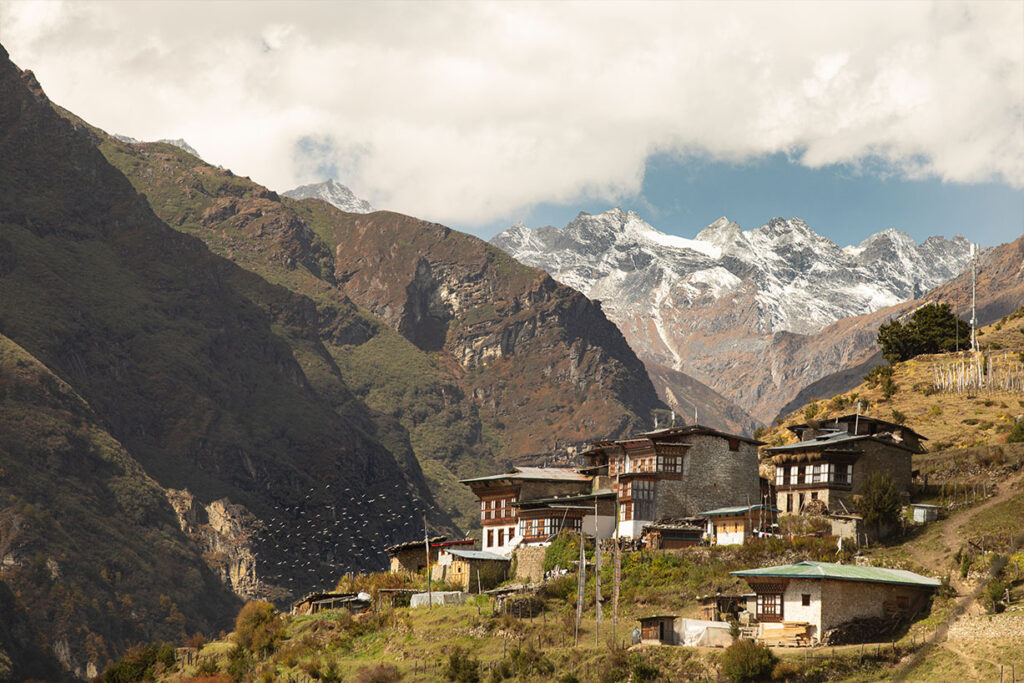
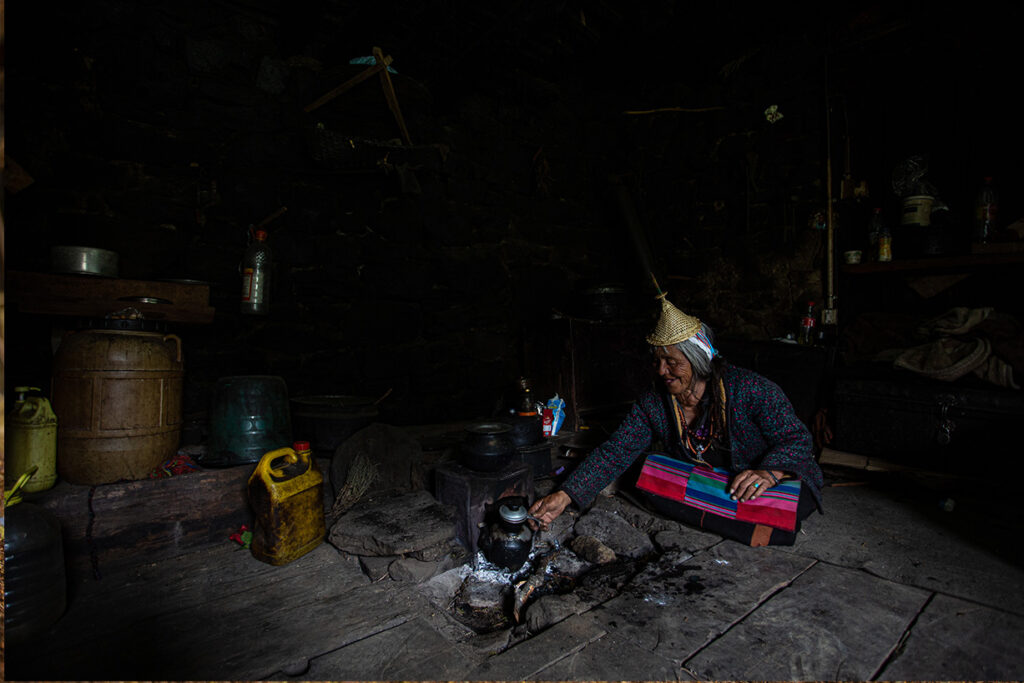
Homes are built from thick stone walls and timber beams to endure six long months of winter, centered around a wood-fired hearth where stories are shared and butter tea is poured. Livelihood revolves around yak herding providing milk, butter, cheese, wool, and transport — along with seasonal Cordyceps collection and incense gathering above the tree line, which often determines a family’s yearly income. Women are recognized by their distinctive conical bamboo hats and turquoise jewelry, symbols of a proud cultural identity preserved through oral tradition and Buddhist devotion. Every household keeps a prayer altar, and prayer flags stretch across the ridges, carrying mantras into the high winds. In Laya, hospitality is not a service but a way of life guests are welcomed as family, invited to share warmth, simplicity, and the quiet strength of highland living
THE ROYAL HIGHLAND FESTIVAL
The Royal Highland Festival was initiated in 2016 under the vision of Jigme Khesar Namgyel Wangchuck as a tribute to Bhutan’s highland communities — particularly the Layaps of Laya in Gasa District. His Majesty’s intention was clear and profound: to celebrate, preserve, and economically empower the semi-nomadic highlanders whose lives revolve around yaks, harsh winters, and fragile alpine ecosystems. What began as a royal initiative has now become one of Bhutan’s most unique cultural gatherings, held annually in October in the high-altitude meadow of Laya at 3,800 meters.
The festival is both celebration and livelihood. Highlanders travel for days across mountain passes with their finest yaks, traditional attire, dairy products, woven textiles, and handcrafted goods. Events include yak races, highland horse competitions, traditional archery, strongman contests, and demonstrations of nomadic skills such as tent pitching and butter churning. Layap women appear in their distinctive conical bamboo hats and turquoise ornaments, turning the entire valley into a living cultural museum.
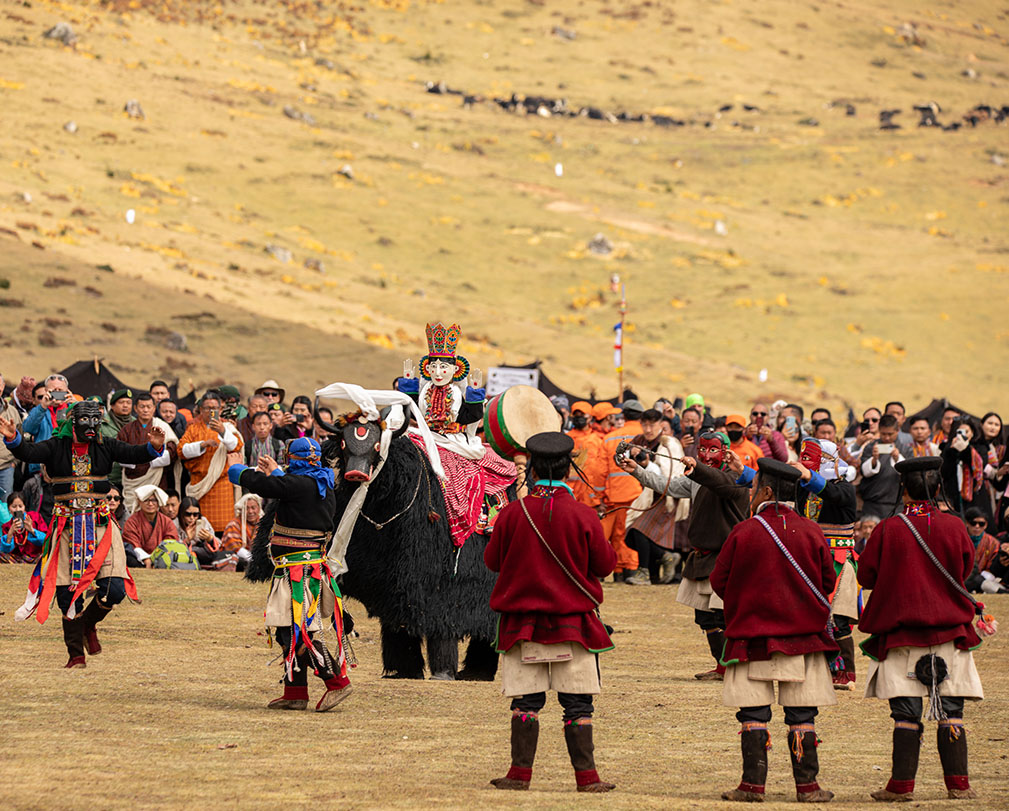
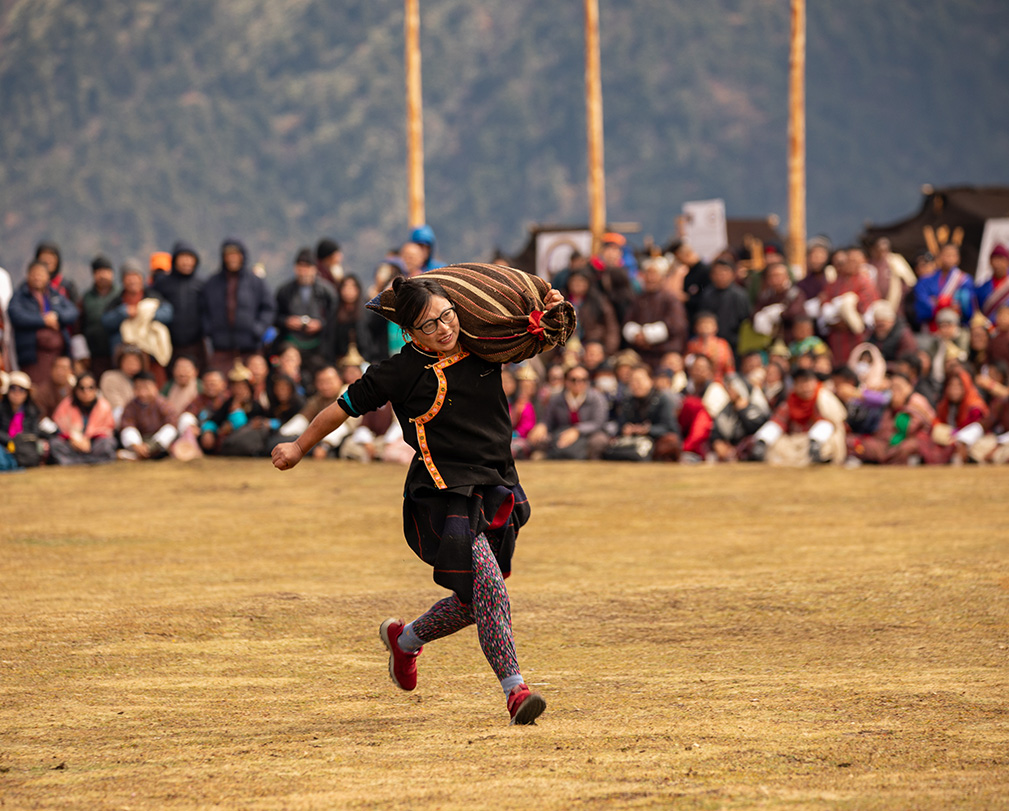
More than performance, the festival is an economic lifeline. It provides highlanders direct access to markets, recognition of their heritage, and renewed dignity in a rapidly modernizing Bhutan. His Majesty’s presence each year is not ceremonial alone — it symbolizes royal gratitude to the guardians of Bhutan’s northern frontiers.
For the people of Laya, the festival itself is often spoken of as a gift from the King — a gift of visibility, opportunity, and pride. It bridges the highlands with the rest of the nation and the world, ensuring that yak herding traditions, mountain songs, and ancestral knowledge continue for future generations.
For visitors, the Royal Highland Festival is not simply an event to witness — it is an immersion into one of the last living highland cultures of the Himalayas, set beneath the towering peaks that guard Laya’s skies.
THE SNOWMAN RACE
The Snowman Race is one of the world’s most demanding ultra-marathons, run along Bhutan’s legendary Snowman Trek route — often regarded as the toughest trekking trail on earth. Launched in 2022 as part of Bhutan’s national celebrations and inspired by the vision of Jigme Khesar Namgyel Wangchuck, the race was created to showcase the resilience of Bhutan’s highlanders and the raw beauty of the Himalayas.
Covering approximately 203 kilometers over five days, the race begins in the highlands of Gasa District and crosses multiple mountain passes above 5,000 meters before finishing in Laya. Runners endure extreme altitude, freezing nights, unpredictable mountain weather, and steep ascents that test both physical stamina and mental strength. It is not merely a race against competitors — it is a race against altitude, terrain, and oneself.
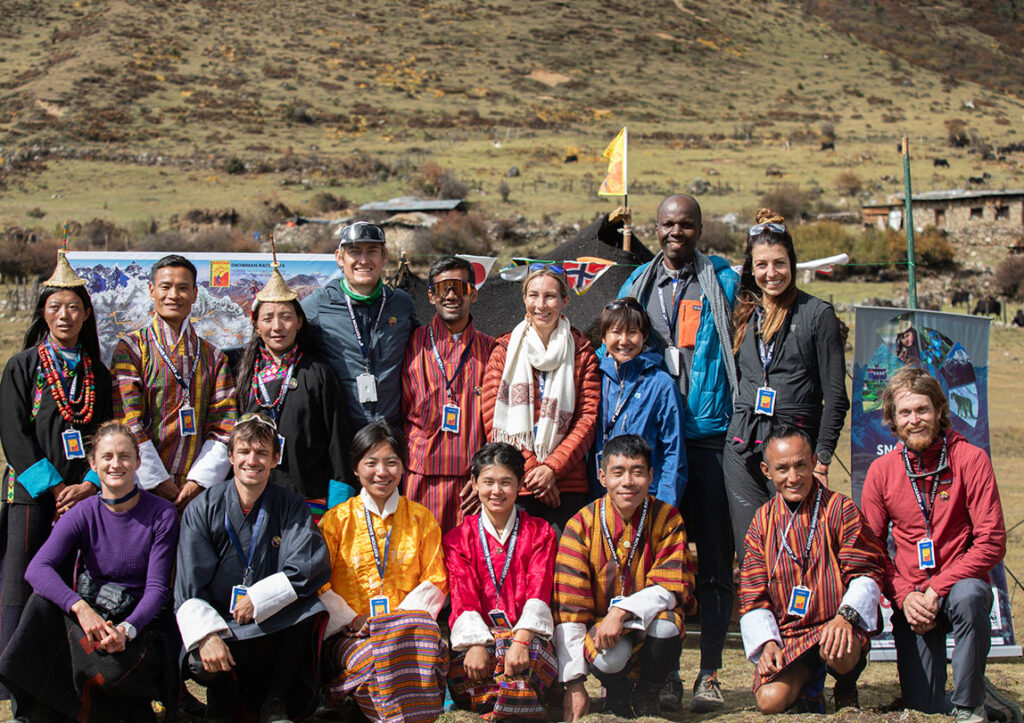
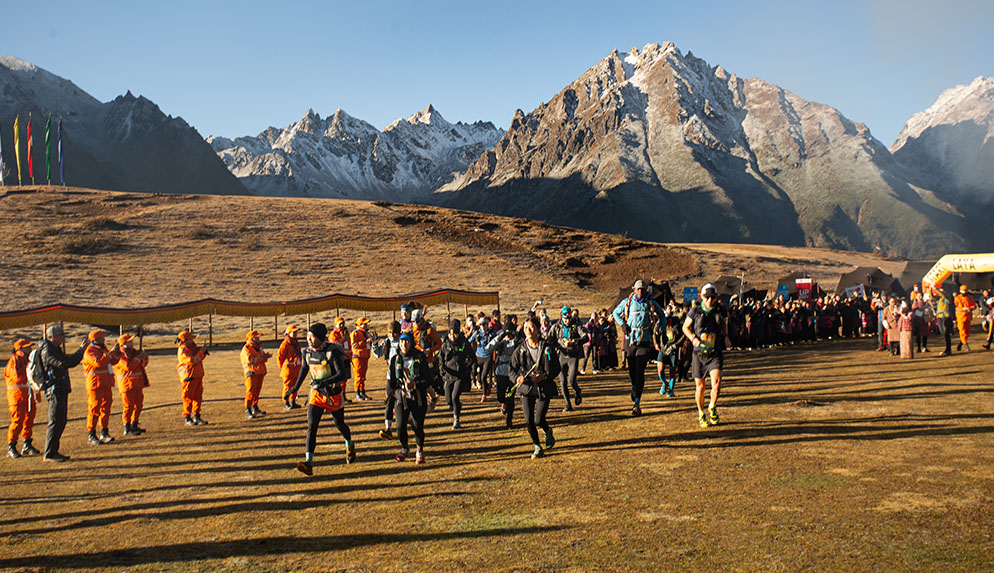
For Laya, the Snowman Race carries deep meaning. The finish line in this highland village transforms the quiet yak pastures into a moment of global attention. Highlanders gather in traditional dress to welcome runners, blending endurance sport with cultural pride. Much like the Royal Highland Festival, the race brings visibility, opportunity, and renewed appreciation for communities living at 3,800 meters and above.
The Snowman Race is more than an ultra-marathon — it is a tribute to mountain life, resilience, and the spirit of Bhutan’s northern guardians.
Planning a journey to Bhutan?
If you are considering a visit to Bhutan and would like to include Home Tale Laya in your itinerary, we would be delighted to hear from you. Our reservations team can share suggestions on how a stay in Laya may be thoughtfully incorporated into your Bhutan journey — whether as part of a trekking experience, a cultural exploration of the highlands, or simply a unique overnight stay in one of Bhutan’s most remote Himalayan villages.
We are happy to guide you on the possibilities and assist in connecting you with trusted travel partners who can arrange the necessary permits, transportation, and wider Bhutan travel arrangements, ensuring your visit is both seamless and meaningful.
Please feel free to reach out if you would like more information or assistance in planning your journey.
Laya is just a message away
Please fill out the form or contact us directly, someone will be in touch.
+975 17911273 (Whatsapp) reservations@hometalelaya.com
Designed and built by ADESIGN | Instagram @adesignbhutan
Photographs: Through the lens of Karma T Dorji | Instagram @ktdorji